Wood Dust Transport & Logistics
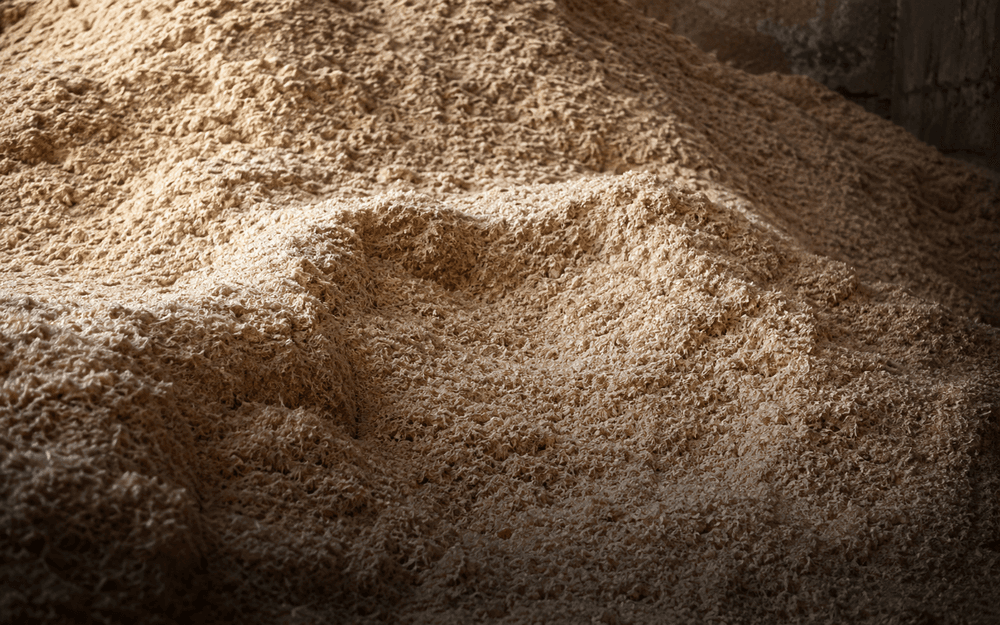
Very fine wood dust requiring strict containment and dust control.
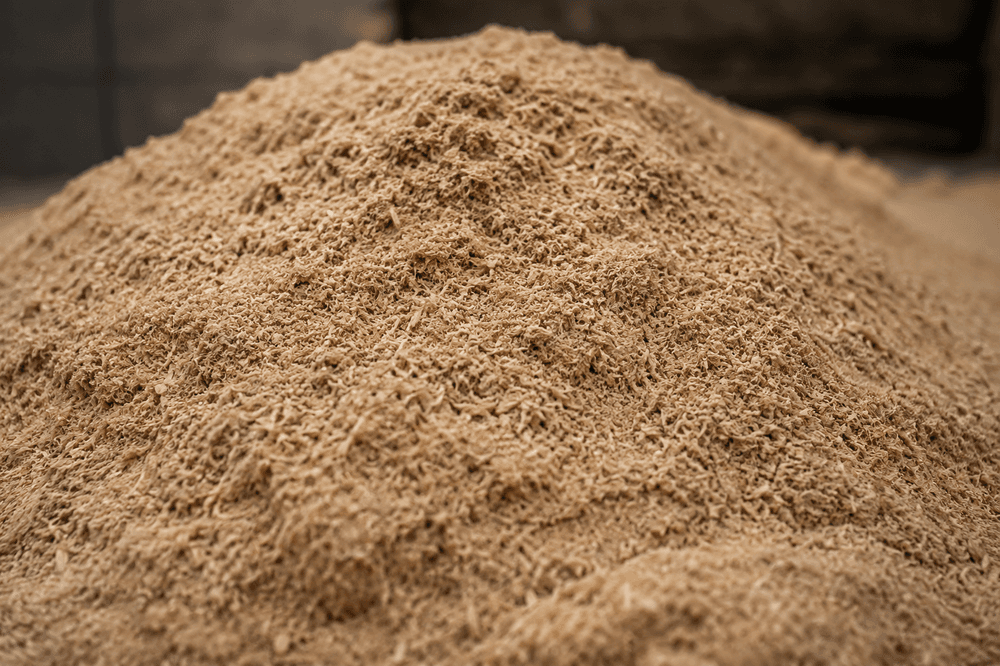 Wood Dust
Very fine loose dust
Enclosed conveyor / blower
Short-to-regional industrial routes.
Panel / pellet producer with enclosed intake.
Short-to-regional industrial routes.
Specification and handling notes.
Receiver requirements: Panel / pellet producer with enclosed intake.
Requirements depend on classification, route, receiver and national regulations — coordinated with the customer and transport partners before execution.
Walking Floor. The final setup depends on form, density, loading site and receiver requirements — enclosed conveyor / blower is typical.
Specification and handling notes. Receiver: panel / pellet producer with enclosed intake. Requirements depend on classification, route and national regulations, and are coordinated before execution.
Material description and form, weight and volume, pickup/delivery, loading/unloading method, and any required documents. The more precise the cargo information, the better the transport setup.